
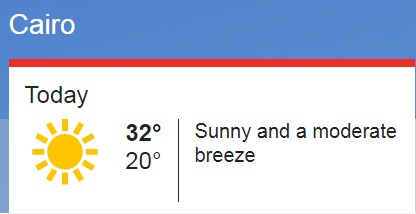

The Air quality in your location AQI
NO2

Effects
important constituent of particulate matter and ozone.can increase symptoms of bronchitis and asthma, as well as lead to respiratory infections and reduced lung function and growth.may be responsible for a large disease burden, with exposure linked to premature mortality and morbidity from cardiovascular and respiratory diseases.
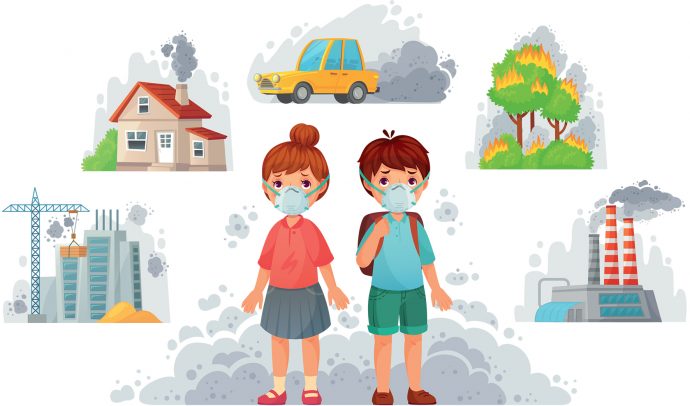
OUTDOORS SOURCES
Power generation, industrial and traffic sources.

Safe Levels
40 μg/m3 annual mean
200 μg/m3 1-hour mean
OZONE(O3)
Effects
major component of photochemical smog, key health risk linked to breathing problems, asthma, reduced lung function and respiratory diseases. short-lived climate pollutant and one of the most important greenhouse gases.
OUTDOORS SOURCES
produced when carbon monoxide (CO), methane, or other volatile organic compounds are oxidized in the presence of nitrogen oxides and sunlight.
Safe Levels
100 μg/m3 8-hour mean
PARTICULATE MATTER (PM)
Effects
the most widely used indicator to assess the health effects from exposure to ambient air pollution. can penetrate deep into lung passageways and enter the bloodstream, causing serious cardiovascular, cerebrovascular and respiratory impacts. Both long-term and short-term exposure to particulate matter is associated with morbidity and mortality from cardiovascular and respiratory diseases. Long-term exposure has been further linked to adverse perinatal outcomes and lung cancer. In 2013, particulate matter was classified as a cause of lung cancer by WHO’s International Agency for Research on Cancer (IARC).
OUTDOORS SOURCES
combustion engines (both diesel and petrol), solid-fuel (coal, lignite, heavy oil and biomass) combustion for energy production in households and industry, as well as other industrial activities (building, mining, manufacture of cement, ceramic and bricks, and smelting).
Safe Levels
PM2.5: 10 μg/m3 annual mean
25 μg/m3 24-hour mean
PM10 : 20 μg/m3 annual mean
50 μg/m3 24-hour mean
COMPONENTS
sulphate, nitrates, ammonia, sodium chloride, black carbon, mineral dust and water
INDOORS SOURCES
combustion of polluting fuels in open hearths or poorly vented, inefficient stoves or space heaters. In addition to household activities like cooking, space heating, and lighting, other activities can be important sources of particulate matter pollution in the home environment, such as preparing animal fodder, heating water for bathing and brewing beverages.